
Keeping Your Garden Cool
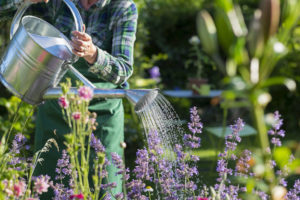 Apollo Wood Products – Keeping Your Garden Cool
Keep Your Garden Healthy During Hot Weather
Summer heat can stress plants very quickly. However, with the right steps, you can keep your outdoor space cool, healthy, and colorful. At Apollo Wood Products, we know that gardens need extra protection during warm months. Because temperatures often rise fast, gardeners should prepare early. Fortunately, simple changes can make a major difference.
A cool garden helps plants grow better. Additionally, cooler soil holds moisture longer. As a result, plants stay stronger and healthier during heat waves. While hot weather can dry out flowers, vegetables, and shrubs, smart garden care helps prevent damage naturally.
Many homeowners struggle with dry soil and wilted plants every summer. However, cooling your garden does not need to feel difficult. Instead, you can use mulch, proper watering methods, shade, and smart plant choices to improve your landscape naturally. Furthermore, these simple changes often save time and water throughout the season.
Why Garden Temperatures Matter
Plants react strongly to heat. When the soil becomes too hot, roots may stop growing properly. Furthermore, dry heat can weaken leaves and flowers. Because of this, gardens often lose color during the hottest months of the year.
Cool soil helps roots stay active. Additionally, healthy roots absorb water more efficiently. As a result, plants stay greener and stronger even during long periods of heat. Likewise, cooler roots help plants recover faster after hot afternoons.
Hot gardens also lose water quickly. Therefore, homeowners often spend more time watering. However, cooler landscapes usually need less water overall. Consequently, this saves time, reduces waste, and helps plants survive summer stress.
Use Mulch To Keep Soil Cooler
Mulch is one of the best tools for cooling a garden. Because mulch covers the soil, it blocks direct sunlight. As a result, the ground stays cooler throughout the day. Additionally, mulch creates a protective layer that slows water evaporation.
At Apollo Wood Products, many gardeners choose natural wood products to protect plants from heat. Additionally, mulch helps soil hold moisture longer. Therefore, roots stay hydrated even during hot afternoons. Furthermore, natural mulch improves the overall look of flower beds and landscapes.
Mulch also reduces evaporation. Without protection, water quickly disappears from exposed soil. However, a thick mulch layer helps lock moisture into the ground. Consequently, gardeners usually water less often.
For best results, spread mulch around flower beds, trees, and shrubs. Generally, two to four inches works well. However, avoid piling mulch directly against plant stems or tree trunks. Otherwise, too much moisture may collect around the base of the plant.
Benefits Of Garden Mulch
Using mulch offers several advantages during summer weather. For example, mulch helps control weeds. Because weeds compete for water, removing them helps plants stay healthier. Additionally, fewer weeds make gardens easier to maintain.
Mulch also improves soil quality over time. Natural wood materials slowly break down and enrich the ground. Therefore, gardens often become healthier each season. In fact, many gardeners notice stronger growth after adding natural materials regularly.
Mulch also protects roots from sudden temperature changes. While daytime heat can become intense, cooler nights may stress plants. However, mulch helps create a more stable environment underground. As a result, plants experience less shock during weather changes.
Furthermore, mulch gives gardens a cleaner appearance. Because it covers bare soil, landscapes often look fresh and finished. Likewise, mulch helps define flower beds and walkways clearly.
Water Early In The Morning
Watering at the right time matters greatly. During hot afternoons, water evaporates quickly. As a result, plants may not receive enough moisture. Therefore, timing can make a major difference in garden health.
Instead, water your garden early in the morning. Because temperatures stay lower, more water reaches the roots. Additionally, leaves dry faster after sunrise. Therefore, plants face less risk of disease. Meanwhile, cooler morning temperatures help plants absorb moisture more effectively.
Deep watering also helps. Rather than watering lightly every day, soak the soil thoroughly a few times each week. Consequently, roots grow deeper into the ground. Deeper roots often handle heat much better. Furthermore, strong roots support healthier flowers and vegetables.
Drip irrigation systems can also help cool gardens. Because these systems slowly release water near the roots, they reduce waste and improve moisture levels. In addition, drip systems help prevent water runoff during hot weather.
Add Shade To Your Landscape
Shade helps gardens stay comfortable during extreme heat. Even partial shade can lower soil temperatures significantly. Therefore, many homeowners use structures or plants to block harsh sunlight. Additionally, shaded areas often stay moist longer during summer.
Trees provide excellent natural cooling. Additionally, shrubs and climbing vines create shaded areas around gardens. Because shaded spaces lose less moisture, plants often remain healthier during summer. Likewise, shaded outdoor areas feel more comfortable for people too.
Gardeners can also use shade cloths or pergolas. While these structures allow sunlight through, they reduce direct heat exposure. As a result, sensitive plants receive protection without losing needed light. Furthermore, shade structures can improve the appearance of outdoor spaces.
Container plants especially benefit from shade. Because pots heat up quickly, moving containers into cooler areas helps prevent root damage. Consequently, plants often survive heat waves more easily.
Choose Heat-Tolerant Plants
Some plants naturally handle warm temperatures better than others. Therefore, choosing heat-tolerant varieties makes summer gardening easier. Additionally, these plants usually require less watering.
Lavender grows well in sunny conditions. Additionally, succulents handle dry weather with little water. Ornamental grasses also perform well during heat waves. Furthermore, many native flowers continue blooming even during hot periods.
Native plants are another smart choice. Because they already adapt to local weather, they usually need less maintenance. As a result, they stay healthier during hot seasons. Likewise, native plants often attract pollinators and beneficial insects.
Grouping plants with similar water needs also helps. Consequently, gardens stay balanced and easier to manage. Additionally, watering becomes more efficient throughout the landscape.
Protect Vegetable Gardens From Heat
Vegetables often struggle during extreme temperatures. However, gardeners can still produce healthy crops with proper care. Therefore, summer garden planning remains very important.
Mulch helps vegetable beds retain moisture. Additionally, raised beds benefit from regular watering during hot weather. Because vegetables need consistent hydration, soil should never fully dry out. Furthermore, healthy soil supports stronger vegetable growth.
Tomatoes, peppers, and squash usually tolerate heat well. However, leafy greens may struggle during very hot weeks. Therefore, gardeners often use shade covers to protect lettuce and spinach. Meanwhile, cooler evening watering can help sensitive vegetables recover.
Harvesting vegetables regularly also helps plants continue producing. Furthermore, removing damaged leaves improves airflow and plant health. As a result, gardens often stay productive longer during summer.
Keep Lawns Cooler Naturally
Grass also needs protection during summer. Fortunately, simple lawn care practices can help. Additionally, healthy lawns cool outdoor spaces naturally.
First, avoid cutting grass too short. Taller grass shades the soil better. Therefore, lawns retain more moisture and stay greener longer. Likewise, taller grass develops stronger root systems.
Second, water deeply but less often. Because deep watering encourages stronger roots, grass becomes more drought resistant. Furthermore, deep roots help lawns survive heat stress.
Third, use natural wood products around trees and garden edges. As a result, nearby soil stays cooler and healthier. Additionally, landscaped borders improve curb appeal.
Healthy lawns cool outdoor spaces naturally. Additionally, green landscapes often feel more comfortable during warm afternoons. Consequently, outdoor areas become more enjoyable for families and guests.
Improve Airflow Around Plants
Good airflow helps reduce heat stress. When plants become overcrowded, hot air gets trapped. Consequently, moisture problems and plant stress may increase. Therefore, spacing matters more during summer months.
Prune overgrown branches regularly. Additionally, space plants properly when planting new gardens. Because airflow improves, plants stay cooler and healthier. Furthermore, better circulation helps reduce mold and mildew problems.
Removing dead leaves also helps. Furthermore, cleaner garden beds allow better circulation throughout the landscape. As a result, plants dry faster after watering.
Cool Down Container Gardens
Containers heat up faster than regular garden beds. Therefore, potted plants need extra attention during summer. Fortunately, a few simple changes can help.
Use larger containers whenever possible. Because larger pots hold more soil, they stay cooler longer. Additionally, soil dries more slowly in bigger containers. Consequently, plants receive more consistent moisture.
Light-colored pots also help reflect heat. Consequently, roots experience less stress during sunny afternoons. Furthermore, lighter containers often keep soil temperatures more balanced.
Adding mulch to containers helps as well. Even a small layer reduces evaporation and protects roots from direct sunlight. Likewise, mulch keeps containers looking neat and attractive.
Move containers when necessary. During extreme heat, shaded patios or covered porches often provide safer conditions for delicate plants. Therefore, flexible container placement becomes very helpful.
Use Compost To Support Healthy Soil
Healthy soil naturally holds moisture better. Therefore, adding compost improves garden performance during hot weather. Additionally, compost supports strong root systems.
Compost increases organic matter in the soil. As a result, gardens retain water more effectively. Additionally, compost supports healthy root growth. Furthermore, rich soil often produces healthier flowers and vegetables.
Many gardeners combine compost with natural wood materials from Apollo Wood Products. Because both improve soil conditions, gardens often stay cooler and healthier throughout summer. Likewise, these materials help reduce soil erosion.
Rich soil also reduces plant stress. Consequently, flowers and vegetables continue growing even during warm conditions. Therefore, healthy soil remains one of the best tools for summer gardening success.
Reduce Heat Around Walkways And Patios
Hard surfaces absorb heat quickly. Therefore, nearby plants often struggle during summer afternoons. Additionally, paved areas can raise temperatures around outdoor spaces.
Adding garden beds around patios helps soften heat buildup. Additionally, trees and shrubs provide cooling shade near walkways. Consequently, outdoor areas feel cooler and more comfortable.
Mulch paths also stay cooler than bare dirt or stone. As a result, outdoor spaces feel more comfortable for both plants and people. Furthermore, mulch walkways create a softer and more natural appearance.
Water features can help too. While small fountains may seem simple, moving water creates a cooler environment nearby. Likewise, fountains add relaxing sounds to outdoor spaces.
Watch For Signs Of Heat Stress
Plants often show clear warning signs during hot weather. For example, leaves may droop or curl. Additionally, flowers sometimes fade early. Therefore, regular garden checks remain important.
Brown edges on leaves often signal dry conditions. Furthermore, weak growth may mean roots feel stressed from heat. Consequently, gardeners should act quickly when symptoms appear.
Check soil moisture regularly. Because dry soil damages roots quickly, early action matters. Water deeply when needed and refresh mulch if areas become exposed. Additionally, remove damaged leaves to help plants recover faster.
Healthy gardens recover faster when problems get caught early. Therefore, consistent care helps landscapes stay beautiful all season long.
Create A Cooler Garden With Apollo Wood Products
A cool garden stays healthier, greener, and more beautiful all summer long. Fortunately, simple landscaping choices can lower soil temperatures and protect plants naturally. Additionally, these improvements often reduce watering needs and maintenance.
At Apollo Wood Products, gardeners can find natural wood products that support healthy landscapes. Because mulch helps retain moisture, reduce weeds, and cool the soil, it remains one of the best tools for summer garden care.
Additionally, smart watering, healthy soil, proper shade, and strong plant choices all work together. As a result, your garden can stay vibrant even during the hottest months. Furthermore, these simple steps support long-term plant health.
Whether you grow flowers, vegetables, shrubs, or trees, protecting your landscape from heat helps plants thrive. Therefore, now is the perfect time to prepare your garden for summer weather and enjoy a cooler outdoor space all season long.

