
Disposing Of Old Mulch
Apollo Wood Products – Disposing Of Old Mulch
Why Old Mulch Needs Attention
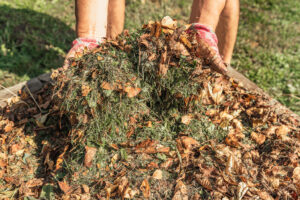 Disposing Of Old Mulch – Mulch helps gardens look great and stay healthy. It holds moisture, controls weeds, and protects plant roots. However, mulch does not last forever. Over time, it breaks down, fades, and loses many of its benefits. As a result, homeowners often wonder what to do with old mulch.
At Apollo Wood Products, we often hear questions about replacing and disposing of mulch. Fortunately, old mulch does not always need to go into the trash. In many cases, you can reuse it in helpful ways around your yard. Additionally, proper disposal keeps your landscape clean and healthy.
Understanding when to remove mulch and how to handle it can save time and improve your garden’s appearance. Therefore, it is important to know your options before starting a landscaping project.
How To Know When Mulch Is Too Old
Mulch naturally breaks down over time. In fact, that process helps improve soil quality. However, there comes a point when mulch no longer provides the protection your plants need.
You may notice that the mulch has become thin and compacted. Additionally, the color may look dull and faded. In some cases, mulch may develop mold, fungus, or a sour smell.
Here are a few signs that mulch should be replaced:
- The mulch layer is less than one inch thick.
- The material looks muddy or compacted.
- Weeds grow easily through the mulch.
- The mulch smells rotten.
- Fungal growth appears throughout the bed.
When these signs appear, it may be time to remove some or all of the old material.
Can You Leave Old Mulch In Place?
Sometimes you do not need to remove old mulch at all. Instead, you can refresh the area by adding a new layer on top.
First, rake the existing mulch to loosen compacted areas. Then, spread a fresh layer of mulch across the surface. This method works well when the old mulch remains clean and healthy.
However, avoid piling mulch too deep. Excessive mulch can trap moisture and reduce airflow around plants. Therefore, most landscape beds should have a total mulch depth of two to four inches.
By maintaining the proper depth, you can improve plant health while reducing maintenance.
Reuse Old Mulch Around The Yard
One of the easiest ways to dispose of old mulch is to reuse it elsewhere. Because mulch continues to break down naturally, it can still provide value in many areas.
For example, old mulch works well in less visible parts of the yard. You can place it under trees, along fence lines, or around utility areas.
Additionally, old mulch can help reduce weeds in pathways and walking trails. Although it may not look as attractive as fresh mulch, it still provides useful coverage.
Some homeowners also use old mulch in natural areas where appearance is less important. As a result, they reduce waste while improving the landscape.
Add Old Mulch To Compost
Another excellent option is composting. Since wood mulch contains organic material, it can become part of a compost pile.
First, mix the old mulch with green materials such as grass clippings, vegetable scraps, or leaves. Then, turn the compost regularly to encourage decomposition.
Over time, the materials break down into rich compost that helps gardens thrive. Furthermore, compost improves soil structure and increases nutrient availability.
If your mulch remains free from chemicals and contaminants, composting can be a smart and environmentally friendly solution.
Use Old Mulch As A Soil Amendment
Because mulch naturally decomposes, it can improve soil quality when mixed into garden beds.
Before planting, work small amounts of old mulch into the soil. As the material breaks down, it adds organic matter that supports healthy root growth.
Additionally, organic matter improves drainage while helping soil retain moisture. Therefore, many gardeners use decomposed mulch as part of their soil improvement plan.
However, avoid adding large amounts at one time. Instead, mix moderate amounts evenly throughout the planting area.
Create New Garden Beds
Old mulch can help prepare new planting areas. For example, many gardeners use it during sheet mulching projects.
First, place cardboard over grass or weeds. Next, spread old mulch on top. Then, allow the materials to break down over time.
As a result, the grass underneath dies naturally while the organic material enriches the soil. Eventually, the area becomes ready for planting.
This method reduces digging while creating healthier garden beds.
Use Old Mulch For Erosion Control
In some areas, soil erosion creates problems after heavy rain. Fortunately, old mulch can help.
Spread mulch across slopes or bare soil areas. The material helps slow water movement while protecting the soil surface.
Additionally, mulch reduces runoff and helps moisture soak into the ground. Therefore, it can serve as a temporary solution until plants become established.
Many homeowners use this technique around drainage areas and hillside landscapes.
When Old Mulch Should Not Be Reused
Although many mulch products remain useful after aging, some situations require disposal.
For example, mulch affected by plant diseases should not be reused. Otherwise, the disease may spread to healthy plants.
Additionally, mulch containing insect infestations should be removed carefully. Termites, ants, and other pests can sometimes make homes within mulch piles.
You should also avoid reusing mulch that smells strongly sour or rotten. That odor often signals poor decomposition and unhealthy conditions.
In these cases, disposal may be the safest choice.
Proper Disposal Options
If reuse is not possible, several disposal options remain available.
First, check local yard waste programs. Many communities accept mulch along with leaves, branches, and other organic materials.
Additionally, some composting facilities process old mulch into reusable products. Therefore, local recycling centers may accept landscape waste.
Another option involves hiring a landscape cleanup service. These professionals can remove large amounts of mulch quickly and efficiently.
Before disposal, always check local regulations to ensure proper handling.
Avoid Common Mulch Disposal Mistakes
Many homeowners make simple mistakes when replacing mulch. Fortunately, these issues are easy to avoid.
First, do not pile old mulch against tree trunks. Excess moisture can damage bark and encourage disease.
Second, avoid creating overly thick mulch layers. Too much mulch can reduce oxygen around roots.
Third, never dump mulch in natural waterways. Doing so can harm local ecosystems.
Finally, avoid mixing diseased mulch with compost piles. Otherwise, plant problems may spread throughout your garden.
By following proper practices, you can protect both your landscape and the environment.
How Often Should Mulch Be Replaced?
The answer depends on the type of mulch and local weather conditions.
In many landscapes, mulch requires refreshing once each year. However, complete replacement may only be necessary every few years.
Wood mulch often lasts longer than lighter organic materials. Additionally, shaded areas usually experience slower decomposition than sunny locations.
Regular inspections help determine when action is needed. Therefore, check mulch depth and condition at least twice each year.
A little maintenance can keep landscape beds looking fresh and attractive.
Benefits Of Replacing Old Mulch
Removing or refreshing old mulch offers several benefits.
First, fresh mulch improves curb appeal. The rich color instantly makes landscapes look cleaner and more professional.
Additionally, new mulch improves moisture retention and weed control. As a result, plants often grow more successfully.
Fresh mulch also creates a cleaner environment by reducing compacted material and improving airflow.
Furthermore, replacing worn mulch helps homeowners identify potential plant health issues hidden beneath the surface.
These benefits make mulch maintenance an important part of landscape care.
Choosing Quality Mulch For Replacement
After disposing of old mulch, selecting the right replacement becomes important.
High-quality mulch provides better coverage, longer life, and improved appearance. Additionally, premium mulch breaks down more evenly over time.
Apollo Wood Products offers a variety of mulch products designed for residential and commercial landscapes. Whether you need decorative mulch, natural mulch, or specialty products, choosing quality materials helps maximize results.
By selecting the right mulch, you can improve plant health while creating a beautiful outdoor space.
Why Homeowners Trust Apollo Wood Products
Apollo Wood Products understands the importance of healthy landscapes. Therefore, we provide high-quality mulch products that help homeowners and professionals achieve outstanding results.
Additionally, we focus on products that support soil health, moisture retention, and weed control. As a result, our mulch products offer both beauty and performance.
Whether you are replacing old mulch or starting a new project, Apollo Wood Products can help you choose the right solution.
Final Thoughts On Disposing Of Old Mulch
Disposing of old mulch does not have to be difficult. In many cases, you can reuse, compost, or recycle the material instead of throwing it away.
Additionally, proper disposal helps maintain a healthier landscape while reducing waste. By understanding your options, you can make smart choices for your yard and garden.
Most importantly, regular mulch maintenance keeps your landscape looking its best throughout the year. When it is time for fresh mulch, Apollo Wood Products is ready to help you find the perfect product for your next landscaping project.

