
Choosing The Right Mulch
Apollo Wood Products – Choosing The Right Mulch
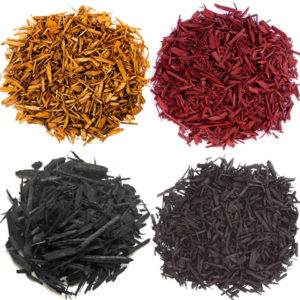 Choosing the right mulch can make a big difference in your yard or garden. Mulch can help protect plants, improve soil conditions, and give landscaped areas a clean look. However, not every type works the same way. Therefore, understanding your options can help you make a better choice.
At Apollo Wood Products, customers can choose from different mulch products for many landscaping needs. Whether you want to improve a flower bed, protect trees, or cover a large landscape, the right material can help.
Before you make your choice, consider your plants, soil, climate, and landscaping goals. In addition, think about the appearance you want to create. With a little planning, you can select a product that works well and looks great.
Why Choosing The Right Mulch Matters
Mulch does much more than improve the appearance of a landscape. In fact, it can support healthier soil and plants throughout the year.
First, a good ground covering helps slow moisture loss from the soil. As a result, plants may have better access to moisture between watering. This can become especially helpful during hot and dry weather.
In addition, a protective layer helps limit sudden changes in soil temperature. During warm days, it helps shield the ground from direct sunlight. Likewise, during cold weather, it adds another layer between plant roots and outdoor temperatures.
Mulching can also help limit weed growth. Although it will not stop every weed, a proper layer can make it harder for many weeds to become established. Therefore, gardeners can spend less time pulling unwanted plants.
Finally, mulch creates a finished appearance. It can define planting areas and help trees, shrubs, and flowers stand out.
Start With Your Landscaping Goals
Before choosing a product, decide what you want it to accomplish. For example, one homeowner may want a decorative finish around a front walkway. Another may care more about moisture control around shrubs.
Therefore, ask yourself a few basic questions. Do you want a natural appearance? Are you covering a flower bed or a large open area? Do you need long-lasting coverage? Are you mainly trying to protect the soil?
Once you know your goals, comparing products becomes easier. In addition, you can avoid buying a material based only on its appearance.
Apollo Wood Products offers options that can fit different landscaping needs. As a result, homeowners, gardeners, and landscape professionals can choose materials based on the job instead of using one product everywhere.
Consider The Area You Want To Cover
Different parts of your landscape may need different materials. Therefore, consider where you plan to place the product before making a final choice.
For example, flower beds often benefit from a neat and attractive covering. Trees and shrubs may need material that helps hold moisture while protecting the surrounding soil. Meanwhile, larger landscape areas may require a practical product that provides dependable coverage.
You should also consider how much foot traffic the area receives. Decorative planting beds have different needs than paths or play areas. Therefore, matching the material to its location can improve both performance and appearance.
In addition, look at the plants growing in the area. Small annual flowers may work better with a finer product. However, larger shrubs and trees can often handle a heavier or coarser material.
Natural Wood Mulch For A Classic Appearance
Natural wood products remain a popular choice for many landscapes. They blend well with trees, shrubs, flowers, and other outdoor features. In addition, their natural appearance works with many different home styles.
Wood-based products can also help cover exposed soil. As a result, garden beds often look cleaner and more finished.
Over time, organic wood materials gradually break down. Therefore, they can become part of the natural cycle within a landscaped area. However, the speed of breakdown depends on the product, weather, moisture, and other conditions.
If you like an earthy and traditional appearance, natural wood may be a good option. Additionally, it works well in both residential and commercial landscapes.
Colored Mulch Can Add Contrast
Sometimes, homeowners want their landscaping to make a stronger visual statement. In that case, colored products can help create contrast between plants, lawns, walkways, and buildings.
For example, a darker ground covering can make green plants and colorful flowers stand out. Likewise, other shades can complement the exterior colors of a home or commercial building.
However, appearance should not be your only concern. You should still choose a product that fits the location and purpose.
Therefore, consider both color and function. The best choice should improve the landscape while also helping you meet your practical goals.
Think About Texture And Size
Texture can change both the appearance and performance of a landscape covering. Therefore, look at the size and shape of the material before deciding.
Finer products can create a smooth and uniform appearance. In contrast, larger wood pieces often create a more textured and natural look.
A coarse material may work well around established shrubs and trees. Meanwhile, a finer product may fit smaller planting beds or areas where appearance is especially important.
Wind and slope can also affect your decision. For example, lightweight material may move more easily in exposed locations. Therefore, consider your property conditions when comparing options.
Mulch Can Help Manage Soil Moisture
One of the biggest reasons to use mulch is moisture management. Bare soil can lose water quickly, especially during warm, sunny, or windy conditions.
However, a protective layer can reduce direct exposure to the air and sun. As a result, moisture may remain in the ground longer.
This does not mean you should stop checking your soil. Instead, continue to monitor moisture around your plants. Different plants have different watering needs, so adjust your schedule when needed.
In addition, avoid placing the material too deeply. Excessive layers can create problems rather than solve them. Therefore, use an appropriate depth for your plants and landscape.
Protect Trees Without Piling Material Against Trunks
Trees can benefit from mulching, but correct placement matters. Unfortunately, people sometimes pile wood products directly against tree trunks.
Instead, leave some space around the trunk. Then, spread the material outward across the root area.
This approach helps cover the soil without creating a thick pile against the bark. In addition, it gives the landscape a cleaner and more natural appearance.
The same basic idea applies around many shrubs. Therefore, avoid packing material tightly against stems or woody bases.
Use The Right Amount
More is not always better. In fact, adding too much material can create unnecessary problems.
For many landscaped areas, a moderate and even layer works better than a deep pile. Therefore, focus on consistent coverage instead of adding as much material as possible.
Before ordering, measure the area you plan to cover. First, calculate the length and width of each bed. Next, decide how deep you want the covering. Then, use those measurements to estimate the amount of material you need.
Careful planning can reduce waste. In addition, it helps you avoid running short before finishing the project.
Prepare The Area Before Installation
Good preparation can improve the final result. Therefore, do not simply spread new material over an unprepared bed.
First, remove large weeds and unwanted plants. Next, clean up sticks, leaves, and other debris. You can also redefine bed edges if needed.
Then, check the existing soil and landscape conditions. If old material has formed a thick layer, you may need to loosen or adjust it before adding anything new.
Finally, spread the new product evenly. As a result, the finished area will look cleaner and provide more consistent coverage.
Do You Need To Remove Old Mulch?
You may not need to remove all existing material every year. Instead, inspect the condition and depth of what is already there.
If the existing layer remains in good condition, you may only need to loosen it and add a small amount of fresh material. However, if the layer has become too deep, compacted, or mixed with unwanted debris, some removal may help.
Therefore, check before adding another full layer. Continually adding material without checking the existing depth can create an overly thick bed.
A simple inspection can save both time and money. In addition, it helps you use only what your landscape actually needs.
Consider Your Local Weather
Weather plays an important role when choosing landscape materials. Hot sun, heavy rain, wind, and cold temperatures can all affect outdoor beds.
For example, moisture retention may become especially important during dry periods. However, drainage can become a bigger concern during long stretches of wet weather.
Wind also matters. Exposed areas may need a product that stays in place better than very lightweight materials.
Therefore, think about the conditions your property experiences throughout the year. Choosing with local weather in mind can help your landscaping perform better through changing seasons.
Mulch Around Flowers And Garden Plants
Flower beds often benefit from a protective ground layer. In addition to creating a finished appearance, it can help reduce exposed soil around plants.
However, leave some breathing room around plant stems. Do not bury small plants beneath a thick covering.
Instead, spread the material evenly around the plants. Then, check the bed throughout the growing season.
As plants grow, you may need to adjust the covering around them. Therefore, regular garden maintenance remains important even after installation.
Mulching Around Shrubs
Shrubs can create large root zones that benefit from soil protection. Therefore, covering the surrounding ground can help create a more stable environment.
Spread the material across the bed rather than piling it around the shrub’s base. In addition, maintain an even depth across the area.
This approach also makes shrub beds look more organized. As a result, individual plants can stand out against a clean background.
If you have several shrubs in one bed, consider covering the entire planting area. This can create a more unified appearance.
Choosing Mulch For Curb Appeal
Landscaping often creates one of the first impressions of a property. Therefore, the appearance of your planting beds matters.
Fresh landscape material can give older beds a renewed look. In addition, it can help create stronger visual borders between lawns, walkways, trees, and planting areas.
Consider the colors already around your home. For example, look at your siding, stone, brick, fencing, and plants. Then, choose a material that complements those features.
However, avoid choosing based on color alone. Function should remain an important part of the decision.
Mulch For Commercial Landscapes
Commercial properties can also benefit from choosing the right material. Offices, apartment communities, retail properties, and other landscaped spaces often need large areas of dependable coverage.
Because these areas can be highly visible, appearance matters. However, maintenance needs also matter.
Therefore, property managers and landscape professionals should consider durability, texture, color, and coverage requirements before ordering.
In addition, buying the correct amount can make large projects easier to manage. Proper planning can reduce extra deliveries and unnecessary leftover material.
When Should You Add Fresh Material?
There is no single schedule that works for every landscape. Instead, inspect your beds throughout the year.
If the existing covering has become thin, faded, or uneven, adding fresh material may improve the area. Likewise, you may need more after completing a new planting project.
However, always check the existing depth first. You do not want to create an overly thick layer simply to make the surface look fresh.
Sometimes, lightly turning or loosening existing material can improve its appearance. Then, you can add only the amount needed to restore consistent coverage.
Match The Product To The Project
The best product depends on what you need it to do. Therefore, avoid assuming that one type will work perfectly throughout every part of your property.
A decorative front garden may need one style. Meanwhile, a large tree bed may benefit from another. A playground, pathway, or commercial property can have completely different requirements.
By matching the product to the project, you can get better results. In addition, you can create a landscape that looks planned rather than simply covered.
Plan Before You Buy
A little planning can make your landscaping project much easier. First, measure the area. Next, consider your plants and soil. Then, decide what appearance you want.
Also, think about moisture, weather exposure, slope, and maintenance. These factors can help narrow your choices.
Once you understand your needs, you can compare products with a clear goal. As a result, you are more likely to choose a material that fits both your landscape and your budget.
Common Mistakes To Avoid
Even a good product can cause problems when used incorrectly. Fortunately, many common mistakes are easy to avoid.
First, do not create an excessively deep layer. Instead, use enough material to provide useful and consistent coverage.
Next, avoid piling material against tree trunks and plant stems. Likewise, check older layers before adding new material.
Also, do not ignore drainage. If water already collects in an area, adding more material will not fix the underlying problem.
Finally, do not select a product only because you like its color. Instead, consider how it will perform in the specific area where you plan to use it.
Choosing Quality Landscape Materials
Quality matters when you invest time and money into your landscape. A consistent product can make installation easier and improve the finished appearance.
Therefore, consider the source of your landscape materials. Look for products that fit the intended use and provide the texture, appearance, and coverage your project requires.
Apollo Wood Products provides landscape materials for a range of outdoor projects. Whether you are refreshing an existing bed or starting a new landscape, choosing the right product is an important first step.
Create A Healthier And Better-Looking Landscape
Choosing the right mulch does not need to be complicated. Start by thinking about where you will use it and what you want it to accomplish. Then, compare your options based on appearance, texture, coverage, and landscape needs.
In addition, remember that correct installation matters just as much as product selection. Prepare the area, use an appropriate amount, and keep material away from trunks and stems.
Most importantly, inspect your landscaping throughout the year. Your plants and soil will change with the seasons, so your maintenance needs may change too.
Choose Apollo Wood Products For Your Next Project
Apollo Wood Products can help you find landscape materials that fit your outdoor project. Whether you want to refresh flower beds, improve areas around shrubs, cover exposed soil, or update a larger landscape, choosing the right product can make the job easier.
Therefore, take time to consider your landscaping goals before you buy. Think about color, texture, location, weather, plants, and the amount of coverage you need.
With the right planning and the right materials, you can create a cleaner, more attractive outdoor space. In addition, you can help protect the soil and support your plants throughout the changing seasons.
When it is time to improve your landscape, turn to Apollo Wood Products for quality options and practical solutions for your next outdoor project.

