
Fall Mulch Prep
Apollo Wood Products – Fall Mulch Prep
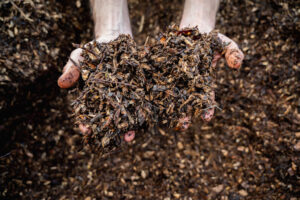 Fall brings cooler weather, shorter days, and changing conditions to your yard. Therefore, it is a great time to prepare garden beds for the months ahead. Good fall mulch prep can protect soil, support plants, and make spring yard work easier.
Apollo Wood Products offers mulch products that can help homeowners and landscapers prepare outdoor spaces for fall. However, getting good results takes more than simply spreading mulch around plants. You should first clean the area, check the soil, and apply the right amount of material.
Fortunately, fall mulch prep does not need to be hard. With a simple plan, you can protect your landscape while giving it a clean and finished look.
Why Fall Mulch Prep Matters
Summer can be hard on garden beds. For example, hot temperatures can dry the soil and break down older mulch. Wind, watering, foot traffic, and yard work can also move mulch away from plants.
Therefore, fall gives you a chance to restore these areas. Fresh mulch helps cover exposed soil and creates a more even surface. In addition, it can help the soil hold moisture during dry periods.
Mulch can also help protect plant roots as temperatures change. Because soil temperatures can shift quickly during fall and winter, an added layer of mulch provides useful insulation.
As a result, proper fall mulch prep can improve both the health and appearance of your landscape.
Start by Inspecting Your Existing Mulch
Before adding anything new, inspect the mulch already in your yard. In many cases, you may not need to remove it.
First, check the depth of the existing layer. Then, look for thin areas where soil has become exposed. Also, check areas where mulch has piled up too deeply.
Older wood mulch naturally breaks down over time. Therefore, some of it may already be adding organic matter to the soil. If the existing mulch still looks healthy, you can often loosen it and add a fresh layer on top.
However, remove weeds, trash, diseased plant material, and other unwanted debris before adding new mulch.
Clean Your Garden Beds First
A clean garden bed gives you a better starting point. Therefore, remove fallen branches, dead annuals, weeds, and unwanted plant material before spreading mulch.
Fall leaves can also build up quickly. Although some leaf material can benefit the soil, thick piles may block water and air. As a result, you should remove heavy layers before applying fresh mulch.
Next, pull weeds from the roots whenever possible. Otherwise, weeds may continue growing beneath or through the new mulch.
In addition, trim plants when appropriate for the species. A clean edge around each garden bed can also create a more polished appearance.
Once you finish the cleanup, you can clearly see which areas need fresh mulch.
Loosen Old Mulch Before Adding More
Existing mulch can become packed after months of rain, watering, and foot traffic. Therefore, lightly loosening it can improve the bed before you add more material.
Use a rake to break apart compacted sections. However, work carefully around shallow roots and delicate plants.
Next, spread the existing material evenly. This step may reveal areas that already have enough mulch. As a result, you can avoid adding too much.
Additionally, loosening the old layer helps blend the existing material with the new mulch. The finished bed will look more natural and even.
Check Your Soil Conditions
Fall mulch prep gives you a good chance to inspect your soil. For example, look for dry, cracked, compacted, or washed-out areas.
If the soil feels very dry, consider watering before applying mulch. Moist soil under mulch can help plants move into cooler weather with better conditions.
However, avoid soaking already wet soil. Too much moisture can create problems around some plants.
In addition, check drainage around the bed. If water regularly collects in one location, mulch alone will not solve the problem. Therefore, address drainage concerns before adding a heavy layer.
Healthy soil creates the foundation for healthy plants. Consequently, a quick soil check can make your fall mulch work more effective.
Choose the Right Mulch for Your Landscape
Not every landscape needs the same mulch. Therefore, consider the purpose of the area before choosing a product.
Wood mulch works well in many garden beds, around shrubs, and throughout landscaped areas. In addition, different textures can create different finished looks.
Decorative mulch can help refresh curb appeal. Meanwhile, other wood-based products may work well where appearance matters less than soil coverage and landscape protection.
Apollo Wood Products provides mulch options for a range of landscaping needs. Therefore, consider the location, plants, desired appearance, and maintenance needs before selecting your material.
Most importantly, choose a product that works well for the intended application.
Apply the Proper Amount of Mulch
More mulch does not always mean better results. In fact, adding too much can create problems.
A moderate layer usually works well for many landscape beds. However, the correct depth can vary based on the mulch type, plants, soil, and location.
Before adding new material, remember to account for the mulch already present. For example, if you already have a good base layer, you may only need enough fresh mulch to restore coverage and appearance.
In contrast, bare areas may need a more complete application.
Therefore, measure your beds and inspect existing material before ordering. This simple step can reduce waste and help you purchase the right amount.
Keep Mulch Away From Tree Trunks
Mulch can help trees, but improper placement can cause trouble. Therefore, avoid piling mulch directly against tree trunks.
Instead, leave some breathing room around the base of each tree. This placement helps prevent excess moisture from staying against the bark.
Also, avoid creating tall mulch piles around trunks. These piles are sometimes called mulch volcanoes because of their shape. However, they do not copy the natural conditions trees experience.
Instead, spread mulch outward across the root area when possible. As a result, you provide soil coverage without burying the trunk.
Proper placement protects the landscape while keeping the area attractive.
Give Shrubs and Plants Some Space
Trees are not the only plants that need space. Therefore, avoid packing mulch tightly against shrub stems and plant crowns.
Instead, spread the material around each plant while leaving a small open area near the base.
This method allows better airflow and reduces constant moisture against stems. In addition, it makes it easier to inspect plants for pests or other problems.
When spreading mulch, use your hands or a small rake around delicate plants. Meanwhile, use a larger rake for open areas.
Careful placement takes a little extra time. However, it can improve the final results.
Use Fall Mulch to Help Control Weeds
Weeds do not always disappear when summer ends. In fact, some weeds continue growing during mild fall weather.
Therefore, fall mulch prep can become part of your weed control plan. Mulch covers exposed soil and can make it harder for some weed seeds to get the light they need.
However, mulch works best when you remove existing weeds first. Otherwise, established weeds may grow through the new layer.
First, pull or remove visible weeds. Next, smooth the soil. Finally, apply mulch at an appropriate depth.
As a result, your garden beds can enter winter cleaner and better prepared for spring.
Prepare for Fall Rain
Rain can move loose soil, especially on slopes and bare garden beds. Therefore, covering exposed soil before heavy seasonal rain can provide useful protection.
Mulch can reduce the direct impact of raindrops on the soil surface. In addition, it can help slow surface drying between storms.
However, drainage still matters. Avoid blocking drains, channels, or areas designed to carry water away from your property.
Likewise, watch mulch on steep slopes. Heavy runoff can move lightweight material downhill. Therefore, inspect sloped beds after major storms and rake displaced mulch back into place when needed.
Good preparation can help your landscape handle changing fall weather.
Protect Plant Roots From Temperature Changes
Fall weather can change quickly. Warm afternoons may turn into cold nights. Therefore, soil temperatures can shift as the season moves toward winter.
Mulch acts as a protective layer over the soil. As a result, it can help reduce sudden temperature changes around plant roots.
This protection can be especially useful for shallow-rooted plants. In addition, newly planted shrubs and trees may benefit from properly placed mulch.
However, remember that mulch does not replace good plant care. Plants still need the right watering, pruning, soil conditions, and seasonal care.
Instead, think of mulch as one useful part of your overall fall landscape plan.
Refresh Your Yard’s Appearance
Fall mulch prep offers more than practical benefits. It can also make your landscape look cleaner.
After a long summer, mulch may look faded, thin, or uneven. Therefore, a fresh layer can quickly improve garden beds.
Fresh mulch can also create stronger visual borders around plants, lawns, and pathways. In addition, it can make plant colors stand out.
For homeowners preparing for fall gatherings, this simple improvement can make a noticeable difference.
Likewise, businesses can use fresh mulch to maintain a neat and cared-for appearance around entrances and landscaped areas.
Edge Garden Beds Before Spreading Mulch
Edging can make fresh mulch look even better. Therefore, consider creating clean borders before spreading your final layer.
First, remove grass that has grown into the bed. Next, redefine the edge with an appropriate garden tool.
Then, rake the soil and existing mulch away from the edge slightly. Afterward, spread the fresh material evenly.
A defined edge keeps mulch where it belongs. In addition, it creates a clear separation between lawn and landscaped areas.
Because fall growth often slows, these clean edges may stay neat longer than they do during fast spring growth.
Plan Ahead for Spring
One of the biggest benefits of fall mulch prep comes several months later. A well-prepared bed can make spring cleanup easier.
For example, fewer exposed soil areas may mean fewer places for weeds to take hold. In addition, established mulch can reduce the amount of work needed when spring growth begins.
Fall is also a good time to note problem areas. Perhaps one bed needs better drainage. Maybe another needs more mulch every year because of runoff.
Therefore, take a few notes while working. Then, you can use that information when planning next year’s landscaping projects.
A little preparation now can save time later.
Avoid Common Fall Mulching Mistakes
Fall mulching is simple, but a few mistakes can reduce its benefits.
First, do not keep adding new layers without checking the existing depth. Otherwise, mulch may become too thick.
Second, avoid piling material against trunks and stems. Instead, give plants some open space.
Also, do not spread fresh mulch over established weeds. Remove them first whenever possible.
Additionally, avoid covering drainage openings or burying landscape fixtures.
Finally, spread mulch evenly instead of leaving large piles. By avoiding these common mistakes, you can create a cleaner and healthier landscape.
Estimate How Much Mulch You Need
Before ordering material, measure your landscape beds. This step can help you avoid buying far too much or too little.
First, measure the approximate length and width of each area. Next, consider how much existing mulch remains.
If you only need a light refresh, you may need less material. However, new beds and very thin areas may require more.
In addition, consider whether you plan to mulch around trees, shrubs, pathways, or other landscape features.
Accurate measurements make planning easier. Therefore, spend a few minutes measuring before you place an order.
Make Fall Yard Work More Efficient
Fall can bring a long list of outdoor projects. Therefore, planning the order of your work can save time.
Start with major cleanup tasks. For example, remove dead plants, pull weeds, and complete necessary trimming.
Next, clean and edge the garden beds. Then, inspect the soil and existing mulch.
After that, bring in fresh mulch and spread it evenly. Finally, clean nearby sidewalks, patios, and driveways.
This order prevents you from doing the same work twice. As a result, your fall cleanup becomes faster and more organized.
Maintain Mulch Through the Cooler Months
Your work does not end after you spread the mulch. Instead, check your beds throughout fall and winter.
Wind may move lightweight material. Likewise, heavy rain can wash mulch away from slopes or edges.
Therefore, rake uneven areas back into place when needed. Also, check around trees and shrubs to make sure material has not collected against stems or trunks.
In addition, remove large branches or heavy debris that falls onto landscaped areas.
These quick checks only take a few minutes. However, they can help your mulch stay effective and attractive throughout the season.
Apollo Wood Products Can Help With Fall Mulch Prep
Fall is an ideal season to clean garden beds, inspect soil, control weeds, and refresh landscape mulch. Therefore, planning ahead can help protect your outdoor spaces while improving their appearance.
Apollo Wood Products offers wood mulch products for homeowners, landscapers, and other outdoor projects. Whether you need to refresh an existing garden bed or prepare a larger landscape for cooler weather, choosing the right material is an important first step.
Most importantly, prepare the area before adding fresh mulch. Remove weeds, loosen older material, check the soil, and avoid piling mulch around trunks and stems.
Then, spread the new material evenly and maintain it as fall weather arrives.
With smart fall mulch prep, your landscape can look cleaner now and be better prepared for the seasons ahead. Apollo Wood Products can help you get your garden beds ready for fall and start planning for a healthier, better-looking landscape next spring.

