
Your Garden & El Nino
Apollo Wood Products – Your Garden & El Niño
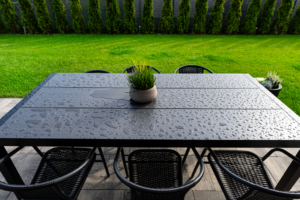 El Niño can bring major changes to normal weather patterns. In many areas, those changes may include heavier rain, warmer temperatures, and long periods of wet weather. As a result, your garden may face conditions that require extra care.
At Apollo Wood Products, we know that healthy gardens depend on good soil, proper drainage, and the right ground cover. Therefore, preparing before wet weather arrives can help protect your plants, soil, trees, and landscape.
El Niño does not affect every location in the same way. However, gardeners can still prepare for periods of heavy rain and changing temperatures. With a few simple steps, you can help your garden handle wet conditions and recover more quickly.
What Is El Niño?
El Niño is a climate pattern connected to unusually warm surface water in parts of the Pacific Ocean. In turn, it can change weather patterns across large areas.
For some parts of the United States, El Niño can increase the chance of wetter winter conditions. However, one El Niño season may look very different from another. Therefore, gardeners should prepare for possible heavy rain without assuming every storm season will be extreme.
For example, several storms close together can soak the ground. Once the soil becomes saturated, additional water may have nowhere to go. As a result, drainage problems can quickly appear.
How Heavy Rain Can Affect Your Garden
Rain provides plants with needed moisture. However, too much water can create problems.
First, saturated soil contains less oxygen around plant roots. Therefore, plants that prefer well-drained soil may struggle during long wet periods.
In addition, heavy rain can wash away exposed topsoil. This erosion may carry valuable organic material and nutrients out of planting areas.
Water can also collect in low spots. Consequently, standing water may damage lawns, flower beds, shrubs, and other plants.
Finally, strong storms may move loose landscape materials. For that reason, preparing garden beds before the wet season can save time and work later.
Check Your Garden Drainage Before El Niño Rains
Good drainage should become one of your first priorities.
Before the rainy season, walk around your property and look for low areas. Also, check places where water already collects after normal rainfall.
Pay close attention to garden beds near foundations, patios, walkways, and retaining walls. In addition, inspect areas around downspouts.
Water should move away from structures and drain without cutting channels through garden beds. Therefore, fix obvious drainage problems before a major storm arrives.
You can also watch your yard during a normal rain. This simple step can show you exactly where water travels. As a result, you can spot drainage issues that may not be obvious during dry weather.
Protect Bare Soil From Heavy Rain
Bare soil has little protection against falling rain. As raindrops hit the surface, they can loosen soil particles. Then, moving water can carry those particles downhill.
Therefore, covering exposed soil can help reduce erosion.
Wood-based ground cover can soften the impact of rain and protect the soil surface. In addition, it can slow water movement across a garden bed.
This protection becomes especially useful on slopes. However, even flat garden beds can benefit because water may still move across the surface during a strong storm.
Apollo Wood Products offers landscape materials that can help homeowners prepare garden areas for seasonal weather. Before choosing a product, consider your plants, drainage, slope, and the purpose of the area.
Use the Right Amount of Ground Cover
More is not always better.
A proper layer can help protect soil and reduce erosion. However, an overly deep layer may hold too much moisture around some plants.
Therefore, avoid piling landscape material against plant stems, shrub bases, or tree trunks. Instead, leave a little open space around them.
This approach allows air to move around the base of the plant. In addition, it reduces the chance of creating constantly wet conditions against bark.
For most landscape areas, the goal is an even layer that covers the soil without burying plants. Also, check the depth during the season because material may move or settle after repeated storms.
Do Not Create “Mulch Volcanoes” Around Trees
Trees need special attention during wet weather.
Some homeowners pile wood material high around tree trunks. However, this practice can keep the trunk too wet. It may also hide problems near the root flare.
Instead, keep the material away from direct contact with the trunk. Then, spread it outward across the root area at a reasonable depth.
This method helps cover exposed soil while keeping the trunk clear. In addition, it gives you a better view of the tree base when checking for storm damage.
Improve Soil Before the Wet Season
Healthy soil usually handles water better than compacted ground.
Compacted soil can slow water movement. Therefore, rain may remain on the surface or collect around plant roots.
Before the wet season, inspect your planting areas. If the soil feels hard and packed, consider improving it with suitable organic material.
However, avoid working extremely wet soil. Digging or walking heavily on saturated ground can make compaction worse.
Instead, wait until the soil becomes workable. Then, make improvements based on the needs of your plants and soil type.
Add Compost Where It Makes Sense
Organic matter can improve many garden soils. For example, compost can support soil structure and help create better conditions for plant roots.
However, every garden has different needs. Clay soil, sandy soil, raised beds, and established landscapes may require different approaches.
Therefore, avoid adding products simply because heavy rain is expected. Instead, consider your existing soil first.
Apollo Wood Products can help homeowners select landscape materials for different garden applications. As a result, you can choose a product that supports your specific project instead of taking a one-size-fits-all approach.
Prepare Sloped Garden Areas
Slopes can become a major concern during periods of heavy rainfall.
Water naturally moves downhill. Therefore, exposed soil on a slope may erode much faster than soil on level ground.
First, inspect slopes for bare areas. Next, look for small channels where previous rain has carried soil downhill.
Ground cover can help protect the soil surface. In addition, established plants and roots can help hold soil in place.
However, severe drainage or slope problems may require professional evaluation. If you see major soil movement, cracking, or unstable ground, contact an appropriate landscape, drainage, or engineering professional.
Clear Leaves and Garden Debris
Fall leaves can benefit gardens when managed correctly. However, large piles of wet leaves may block drains and slow water movement.
Before a major storm, check drainage paths around your landscape. Also, remove debris from places where water needs to flow.
Pay special attention to grates, channels, gutters, and downspout outlets. In addition, make sure loose garden debris cannot wash into these areas.
This simple maintenance step can prevent minor drainage problems from becoming larger ones.
Watch Container Plants During Heavy Rain
Potted plants can face their own El Niño problems.
During dry weather, containers make watering easier to control. However, repeated storms may keep potting soil wet for long periods.
Therefore, check the drainage holes in each container. Make sure roots or debris have not blocked them.
Also, avoid leaving pots in trays filled with rainwater unless the plant specifically benefits from those conditions.
If possible, move sensitive container plants to a protected location during long periods of rain. However, make sure they still receive suitable light and airflow.
Be Careful With Watering
One of the easiest mistakes during a wet winter is continuing a normal irrigation schedule.
If rain already provides plenty of moisture, your plants may need much less added water. Therefore, check the soil before running irrigation.
Automatic systems deserve special attention. For example, a timer may continue watering even after several rainy days.
As a result, the landscape receives more water than it needs.
Adjust your irrigation system based on current conditions. In addition, inspect plants rather than assuming they need water because of a normal schedule.
Look for Signs of Too Much Water
Plants often show warning signs when roots remain too wet.
For example, leaves may turn yellow. Plants may also wilt even though the soil feels wet. In addition, growth may slow.
However, these symptoms can have several causes. Therefore, inspect the soil and overall plant condition before making changes.
Check whether water drains properly around the roots. Also, look for standing water or constantly saturated ground.
If a valuable tree or plant continues to decline, consider contacting a qualified plant-care professional.
Avoid Walking on Saturated Garden Soil
After a heavy storm, you may want to inspect every part of your garden. However, walking across soaked soil can compact it.
Compaction reduces the open spaces that allow air and water to move through the ground. Consequently, repeated foot traffic may make drainage problems worse.
Instead, use established paths whenever possible. Also, wait until garden soil dries before doing major work.
This is especially important in areas with heavy clay soil.
Check Your Landscape After Each Major Storm
Preparation is important. However, garden care should continue after the rain arrives.
After a major storm, walk around your property when conditions are safe. Look for erosion, standing water, exposed roots, fallen branches, and displaced landscape material.
Next, check whether drainage paths still work correctly.
You may also need to rake displaced ground cover back into place. However, wait until the area is safe and stable before working on wet slopes.
By checking your garden after each storm, you can catch small problems early. Therefore, you may prevent additional damage during the next round of rain.
Do Not Forget About Weeds
Wet weather can create great growing conditions for unwanted plants.
Once temperatures become mild and soil stays moist, weeds may appear quickly. Therefore, watch garden beds closely during and after rainy periods.
Removing young weeds early usually makes the job easier. In addition, covering exposed soil can make it harder for some weed seeds to establish.
Still, no ground cover completely stops weeds. Seeds can blow onto the surface and grow over time.
For that reason, regular garden maintenance remains important throughout the season.
Plan Ahead for the Weather After El Niño Rains
Wet weather does not last forever.
After a rainy winter, warmer and drier conditions may return. Therefore, your garden should be prepared for both excess water and future dry periods.
A healthy soil surface can help in both situations. During wet weather, protective material can reduce erosion. Later, it can help slow moisture loss from the soil.
As a result, good garden preparation can provide benefits beyond one storm season.
Choose Landscape Materials Based on Your Garden
Every landscape has different needs.
A decorative front yard may require a different material than a vegetable garden, playground, pathway, or large commercial landscape. Therefore, think about how the area will be used before selecting a product.
Consider appearance, drainage, soil protection, plant type, and maintenance needs. In addition, think about how rainfall moves through the area.
Apollo Wood Products offers a range of wood and soil-related landscape products for different applications. Therefore, choosing the right material can help you build a garden that looks good and handles seasonal weather more effectively.
Make El Niño Preparation Part of Fall Garden Care
You do not need to wait for a major storm warning to prepare your yard.
Instead, include weather preparation in your normal fall garden routine. First, inspect drainage. Next, cover bare soil and clear blocked water paths.
Then, check irrigation systems, containers, slopes, and trees. Also, remove loose debris that could block drains during heavy rain.
A few small projects now may prevent larger problems later. More importantly, preparation gives you time to correct issues before the ground becomes saturated.
Apollo Wood Products Can Help Prepare Your Garden
El Niño may bring changing weather patterns and periods of heavy rain. However, a well-prepared garden has a better chance of handling wet conditions.
Start with good drainage and healthy soil. Then, protect exposed areas and watch for erosion. In addition, adjust irrigation and inspect your landscape after storms.
Apollo Wood Products provides landscape materials for homeowners, gardeners, landscapers, and other outdoor projects. Whether you are preparing garden beds, improving soil, or refreshing landscape areas, choosing the right materials can make a difference.
Most importantly, plan before the rain starts. With thoughtful preparation and regular maintenance, you can help protect your garden through wet weather and prepare it for the seasons ahead.
When your garden needs fresh landscape materials, turn to Apollo Wood Products. The right preparation today can help create a healthier, cleaner, and better-protected landscape tomorrow.

