
Does Mulch Freeze?
Apollo Wood Products – Does Mulch Freeze?
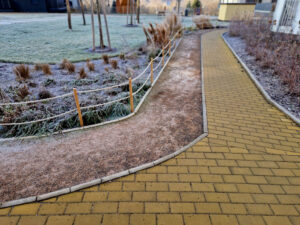 When winter arrives, many homeowners wonder what happens to their gardens during freezing weather. One common question is, does mulch freeze? The simple answer is yes. However, freezing temperatures do not always harm your garden’s protective ground cover. In fact, the right materials can help protect plants, roots, and soil throughout the colder months.
At Apollo Wood Products, we understand the importance of keeping your landscape healthy throughout the year. Whether you have flower beds, trees, shrubs, or vegetable gardens, proper winter care makes a difference. Therefore, understanding how freezing weather affects your landscape can help you make better gardening decisions.
Although mulch can freeze, it also helps protect the ground from sudden temperature changes. As a result, your plants may have a better chance of surviving cold winter conditions.
Does Mulch Actually Freeze During Winter?
Yes, mulch can freeze when temperatures drop below freezing. However, the amount of moisture in the material plays a major role. For example, wet wood chips may freeze together during cold weather. Meanwhile, dry materials may remain loose even when temperatures fall below 32 degrees Fahrenheit.
When moisture collects between wood chips, freezing temperatures can turn that water into ice. As a result, the material may form a hard layer across your garden beds.
However, this frozen layer does not always mean trouble for your plants. In many cases, the protective covering helps reduce sudden changes in soil temperature.
Additionally, the soil underneath may remain warmer than the air above it. Therefore, plant roots can receive some protection from extreme cold.
The depth of the covering, soil moisture, and length of the cold spell all affect how much protection your garden receives.
How Mulch Protects Soil From Freezing
One of the main benefits of mulch is its ability to insulate the ground. During winter, outdoor temperatures can change quickly. However, a protective layer helps slow these changes.
For example, uncovered soil may warm during the afternoon and freeze again overnight. These repeated changes can place stress on plant roots.
Fortunately, wood-based materials help reduce these temperature swings. As a result, the soil stays more stable during cold weather.
A protective covering also helps retain moisture. Although plants need less water during winter, their roots still need some moisture to stay healthy.
Additionally, the covering reduces direct exposure to cold winds. Therefore, the soil may lose heat more slowly.
However, no ground covering can completely prevent freezing during a long period of extreme cold. Instead, it slows temperature changes and helps create better conditions for plant roots.
What Happens When Mulch Freezes?
When mulch freezes, several changes may occur. First, moisture between the wood pieces can turn into ice. As temperatures continue to fall, the material may become stiff or form frozen clumps.
However, these changes are usually temporary. Once temperatures rise, the ice melts, and the material often returns to its normal condition.
Additionally, freezing temperatures slow the natural breakdown of organic materials. During warmer weather, tiny organisms help turn wood products into organic matter. However, these organisms become less active when the ground gets cold.
As a result, decomposition slows during winter.
This slower breakdown is not necessarily a problem. In fact, it can help wood chips maintain their structure throughout the colder months.
Once spring arrives, warmer temperatures encourage normal biological activity again.
Can Frozen Mulch Damage Your Plants?
Frozen mulch does not usually damage healthy plants by itself. However, improper application can create problems during winter.
For example, placing a thick layer directly against tree trunks can trap moisture around the bark. Over time, this may encourage decay or other problems.
Additionally, piling material against the stems of shrubs and flowers can create unhealthy conditions.
Therefore, always leave some space around plant stems and tree trunks.
Another concern involves excessive depth. Although a protective layer helps insulate soil, too much material can limit airflow and keep the ground overly wet.
For most garden beds, a layer around two to three inches deep works well. However, the ideal depth depends on the plants, soil, and type of material.
When you apply it correctly, a winter covering can protect your landscape without causing unnecessary problems.
Should You Remove Frozen Mulch?
In most cases, you should leave frozen mulch alone. Although the surface may look hard or icy, removing it can expose the soil to colder temperatures.
Additionally, pulling frozen pieces away from the ground may disturb shallow plant roots.
Therefore, allow the material to thaw naturally whenever possible.
Once warmer weather returns, inspect your garden beds. If the covering has become compacted, gently loosen the surface after it thaws.
However, avoid digging into wet soil or disturbing roots.
You should also remove any material that shows signs of serious mold problems or has become mixed with large amounts of debris.
Otherwise, most wood-based ground coverings can remain in place throughout winter.
What Types of Mulch Work Best During Freezing Weather?
Different materials provide different levels of winter protection. Therefore, choosing the right product can help your landscape handle colder temperatures.
Wood Chips
Wood chips are a popular choice for trees, shrubs, and landscape beds. Additionally, their loose structure creates small air spaces that help slow heat movement.
As a result, they can provide useful insulation during winter.
Shredded Wood
Shredded wood products work well around many landscape plants. Because the pieces fit together, they can create a stable covering that resists movement from wind and rain.
However, avoid packing them too tightly.
Bark Products
Bark provides another option for winter landscaping. In addition to improving appearance, bark helps protect soil from sudden temperature changes.
Furthermore, bark often breaks down slowly, making it useful for longer-lasting landscape coverage.
Composted Wood Products
Composted wood products can improve soil structure over time. However, finer materials may settle more closely together.
Therefore, they may need occasional attention to prevent excessive compaction.
At Apollo Wood Products, understanding the differences between these materials can help homeowners select the best option for their gardens.
How Much Mulch Should You Apply Before Winter?
Proper depth is important when preparing your landscape for freezing temperatures. Although more material may seem better, excessive amounts can create problems.
For most trees, shrubs, and established garden beds, two to three inches is a useful starting point.
However, you should consider any existing covering before adding more.
For example, if your garden already has two inches of material, you may only need a light addition. Meanwhile, exposed soil may benefit from a fresh layer.
Additionally, keep the material several inches away from tree trunks. This space helps protect the bark from trapped moisture.
For smaller plants, leave enough room around the stems to allow proper airflow.
By maintaining the correct depth, you can help protect the soil without overwhelming your plants.
Can Mulch Prevent Frost Damage?
Mulch can reduce some forms of frost damage, especially around plant roots. However, it cannot protect every part of a plant.
For example, a protective ground layer may help prevent rapid freezing and thawing near the roots. Meanwhile, exposed leaves and branches can still suffer damage during a hard frost.
Therefore, sensitive plants may need additional protection.
Gardeners can use frost cloth, plant covers, or other suitable materials when temperatures drop sharply.
Additionally, watering the soil when needed before a freeze may help maintain healthy root conditions. However, avoid overwatering or leaving the ground waterlogged.
Combining proper ground protection with other winter gardening practices offers better results.
Why Freezing and Thawing Can Harm Your Garden
Repeated freezing and thawing can create problems for certain plants. During these temperature changes, water in the soil expands as it freezes.
As a result, the soil may shift and push shallow roots upward. Gardeners often call this process frost heaving.
When the ground thaws, exposed roots may dry out or suffer damage.
Fortunately, a layer of organic material helps reduce rapid temperature changes near the soil surface.
Additionally, it can help keep moisture levels more stable.
This protection is especially useful for young plants, shallow-rooted perennials, and newly established landscape areas.
However, gardeners should still inspect their plants after severe winter weather.
If frost heaving exposes roots, gently settle the plant back into place when the soil becomes workable.
Does Wet Mulch Freeze Faster Than Dry Mulch?
Moisture plays an important role in how mulch reacts to cold weather. When wood chips contain water, that moisture can freeze and hold the pieces together.
As a result, wet material may form solid clumps during freezing conditions.
Dry wood chips, however, may remain loose because less water is available to form ice between the pieces.
Additionally, wet materials may take longer to dry after winter storms.
Therefore, proper drainage is important for healthy garden beds.
Avoid allowing standing water to collect around plants. Furthermore, make sure your landscape has enough drainage to handle seasonal rain.
Although organic ground coverings help retain moisture, they should not create constantly soaked conditions.
A balanced moisture level helps protect both the soil and plant roots.
Should You Add Fresh Mulch Before the First Freeze?
Fall is often an excellent time to refresh your landscape beds. However, timing can affect how well the covering protects your plants.
For example, adding material after the soil begins cooling can help maintain more stable winter temperatures.
In areas with hard winter freezes, gardeners often apply winter protection after the ground has cooled but before severe cold becomes common.
This approach can reduce repeated freezing and thawing.
Additionally, fall application helps protect exposed soil from heavy rain and erosion.
Before adding fresh material, remove large weeds and unwanted debris. Next, check the existing layer to determine how much you need.
Then, spread the new material evenly across the garden bed.
Finally, leave space around trunks and stems.
With proper preparation, your landscape can enter winter with better protection.
What Happens to Mulch After Winter Ends?
When spring arrives, frozen ground coverings begin to thaw. As temperatures increase, moisture returns to liquid form, and biological activity becomes more active.
Consequently, organic materials slowly continue breaking down.
However, winter weather may leave some areas compacted or uneven.
Therefore, inspect your landscape before adding fresh material.
First, look for bare spots where wind or rain moved the covering. Next, check whether the existing layer remains at the proper depth.
Additionally, remove unwanted leaves, branches, and other debris.
If the material remains in good condition, you may not need to replace it.
Instead, gently loosen compacted areas and add a small amount where needed.
This simple maintenance helps keep your landscape attractive while avoiding unnecessary waste.
Winter Mulching Mistakes to Avoid
Although winter ground protection offers many benefits, common mistakes can reduce its effectiveness.
One mistake involves applying too much material. A thick layer may trap excess moisture and create poor growing conditions.
Another mistake involves piling wood chips against tree trunks. Over time, trapped moisture can damage bark and encourage decay.
Additionally, some homeowners remove frozen material too early. However, doing so can expose roots to harsh temperature changes.
Applying fresh material over already saturated soil can also create problems. Therefore, check drainage before adding another layer.
Finally, avoid assuming every plant needs the same amount of protection. Some plants prefer a lighter covering, while others benefit from additional insulation.
By avoiding these mistakes, you can maintain a healthier landscape throughout winter.
How to Maintain Your Garden During Freezing Weather
Winter gardening does not require constant attention. However, a few simple steps can help protect your plants.
First, inspect your garden beds before freezing weather arrives. Look for exposed soil, thin areas, and drainage problems.
Next, check the depth of your protective covering. Add more material only where necessary.
Additionally, watch for heavy rain that may wash wood chips away from slopes or raised beds.
After severe storms, inspect the landscape for movement or erosion.
However, avoid walking across frozen or waterlogged garden beds whenever possible. Heavy foot traffic can compact wet soil and damage sensitive areas.
During warmer winter days, check plants for signs of stress. Also, remove fallen branches and other debris that could interfere with drainage.
These simple habits can help your garden remain healthy until spring.
Is Mulch Important in Areas With Mild Winters?
Even in regions with mild winters, mulch provides important benefits. Although freezing temperatures may occur less often, sudden cold snaps can still affect plants.
Additionally, winter rain can cause soil erosion and wash away valuable nutrients.
A protective covering helps reduce the impact of falling rain. As a result, garden beds may experience less surface erosion.
Furthermore, organic materials help reduce weed growth when applied at the correct depth.
They also help maintain soil moisture during dry periods between winter storms.
Therefore, homeowners in California and other mild climates can benefit from year-round landscape protection.
Although the ground may not freeze often, maintaining healthy soil remains important throughout every season.
Frequently Asked Questions About Frozen Mulch
Does mulch freeze at 32 degrees?
Water within mulch can begin freezing around 32 degrees Fahrenheit. However, the material itself does not freeze in the same way water does. Instead, moisture between the pieces forms ice.
Will frozen mulch kill my plants?
Usually, no. In fact, a properly applied layer can help protect plant roots from sudden temperature changes. However, excessive depth or poor drainage can cause problems.
Should I break apart frozen mulch?
No, it is generally better to let it thaw naturally. Otherwise, breaking apart frozen clumps may disturb plant roots or damage the soil surface.
Can I spread mulch during freezing weather?
Yes, you can spread loose material during cold weather. However, avoid working on frozen or waterlogged soil if doing so could damage plants or compact the ground.
Does mulch keep the ground warm?
Mulch acts as insulation rather than a heat source. Therefore, it slows heat loss and helps reduce rapid temperature changes.
Should I replace mulch every spring?
Not always. If the existing layer remains healthy and has enough depth, simply refresh thin areas. Additionally, avoid adding too much material year after year.
Choose Quality Landscape Materials From Apollo Wood Products
Choosing the right landscape materials can make a difference in your garden’s health throughout the year. Although mulch can freeze during winter, proper application helps protect soil and plant roots from changing temperatures.
At Apollo Wood Products, we understand that every landscape has different needs. From decorative wood products to soil improvement materials, selecting the right product helps support long-term garden care.
Additionally, quality materials can improve the appearance of flower beds, walkways, trees, and shrubs. As a result, your outdoor spaces can remain attractive during every season.
Whether you are preparing for winter or refreshing your landscape in spring, understanding your options helps you make better decisions.
Keep Your Landscape Protected All Year With Apollo Wood Products
So, does mulch freeze? Yes, especially when moisture collects between the pieces during cold weather. However, freezing does not automatically make it harmful to your garden.
In fact, properly applied organic materials can help protect roots, reduce soil temperature changes, and limit erosion during winter storms.
Therefore, preparing your garden before cold weather arrives is a smart investment in your landscape’s health.
Apollo Wood Products offers wood-based landscape materials to help homeowners, gardeners, and landscape professionals maintain beautiful outdoor spaces.
Contact Apollo Wood Products to learn more about available products and find the right materials for your next landscaping project. With proper care and preparation, your garden can stay protected throughout winter and thrive when warmer weather returns.

