Planting Winter Vegetables
Apollo Wood Products – Planting Winter Vegetables
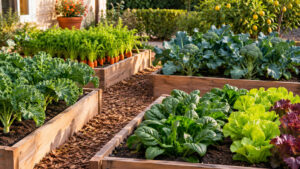 Winter may bring colder weather, but it does not mean your garden must stop growing. In fact, many vegetables grow well during the cooler months. With the right planning, you can enjoy fresh vegetables throughout the winter season. Additionally, winter gardening can help keep your soil healthy and your outdoor space productive.
At Apollo Wood Products, we understand the importance of healthy soil and proper garden care. Our quality mulch, compost, and soil products help gardeners prepare their growing areas for every season. Therefore, planting winter vegetables can become a rewarding project for both new and experienced gardeners.
Whether you have a large backyard or a small garden bed, winter vegetables offer many benefits. Moreover, growing your own food can save money while providing fresh ingredients for your family.
Why Plant Winter Vegetables?
Planting winter vegetables offers several benefits for homeowners who enjoy gardening. First, many cool-season crops grow better in mild temperatures than during hot summer weather. Vegetables such as kale, spinach, carrots, and broccoli often develop excellent flavor during cooler months.
Additionally, winter gardens usually require less watering because cooler temperatures reduce evaporation. However, plants still need regular moisture to grow strong roots and healthy leaves.
Winter gardening can also help reduce weeds. Since many weeds grow more slowly during cold weather, gardeners often spend less time removing them.
Furthermore, growing vegetables during winter keeps garden beds active. Instead of leaving your soil empty for months, you can continue producing fresh food.
With proper soil preparation and mulch from Apollo Wood Products, you can create a healthy growing environment for your winter garden.
Choosing the Best Winter Vegetables
Not every vegetable grows well during winter. Therefore, choosing plants that tolerate cooler temperatures is important.
Fortunately, many popular vegetables thrive during the fall and winter seasons. Some of the best choices include:
-
Broccoli: Grows well in cool weather and produces nutritious green heads.
-
Carrots: Develop sweet flavors when exposed to cool temperatures.
-
Kale: Handles cold weather and provides fresh greens throughout winter.
-
Spinach: Grows quickly in cool soil and works well in small gardens.
-
Lettuce: Offers fresh leaves for salads during mild winter weather.
-
Cabbage: Tolerates cool temperatures and produces large, firm heads.
-
Radishes: Grow quickly and make an excellent choice for beginners.
-
Peas: Prefer cooler temperatures and produce sweet, tender pods.
-
Garlic: Develops roots during winter before growing larger bulbs in spring.
-
Swiss Chard: Produces colorful leaves and grows well during mild winters.
However, planting times depend on your local climate. For example, gardeners in Southern California can often grow vegetables outdoors throughout winter. Meanwhile, gardeners in colder regions may need row covers or other protection.
Preparing Your Garden Soil for Winter
Healthy soil plays a major role in successful winter vegetable gardening. Therefore, preparing your garden beds before planting helps vegetables develop strong roots.
Start by removing weeds, dead plants, and old garden debris. Next, loosen compacted soil with a garden fork or other suitable tool. This process helps air and water move through the soil.
Additionally, mixing finished compost into your garden beds can improve soil structure. Compost adds organic matter and helps soil hold moisture while supporting drainage.
Apollo Wood Products offers compost and soil products that can help improve garden conditions. Our soil blends provide useful options for gardeners who want to prepare their planting areas.
However, avoid working soil when it becomes extremely wet. Wet soil can compact easily, making it harder for roots to grow.
Instead, wait until the soil becomes moist but crumbly before digging or adding compost.
The Importance of Mulch in Winter Gardens
Mulch provides several benefits for winter vegetable gardens. First, it helps protect soil from sudden temperature changes. Additionally, mulch reduces moisture loss and helps control weeds.
Organic mulch also protects exposed soil from heavy rain. As a result, gardeners can reduce soil erosion and limit the impact of rainfall on garden beds.
Apollo Wood Products supplies quality wood mulch products for landscaping and gardening needs. When gardeners apply suitable mulch correctly, they can help protect the soil around winter vegetables.
However, avoid placing thick layers of coarse wood mulch directly against small vegetable stems. Instead, leave a little space around each plant to improve airflow and reduce excess moisture.
For established vegetable beds, a light layer of suitable organic mulch can provide helpful soil protection. Use a finer mulch around small plants when needed.
Furthermore, remember that mulch protects soil rather than replacing fertilizer or compost. Healthy vegetables still need proper nutrients, sunlight, and water.
When to Plant Winter Vegetables
Timing plays an important role in winter gardening. Therefore, gardeners should plan their planting schedules before temperatures drop too low.
In mild climates, many winter vegetables grow best when gardeners plant them during late summer or fall. This gives young plants time to establish strong roots before colder weather arrives.
For example, broccoli, cabbage, and kale often benefit from early fall planting. Meanwhile, spinach, lettuce, and radishes may grow well during several cool-season planting periods.
Garlic usually grows best when planted during fall. It develops roots during cooler months and continues growing as spring approaches.
However, planting dates vary by location. Gardeners should check their local frost dates and seasonal planting guides.
Additionally, some vegetables grow better from seeds, while others benefit from young transplants.
By choosing the right planting method and schedule, you can improve your chances of a productive winter harvest.
Watering Your Winter Vegetable Garden
Winter vegetables need water, but they usually require less than summer crops. Therefore, gardeners should adjust watering schedules as temperatures change.
Cool weather slows evaporation, allowing soil to stay moist longer. Additionally, seasonal rain may provide some or all of the water your plants need.
Before watering, check the soil several inches below the surface. If it still feels moist, wait before adding more water.
However, avoid allowing the soil to become completely dry around young seedlings. Developing roots need steady moisture to grow properly.
Watering early in the day can also help. This allows plant leaves and the soil surface to dry before evening temperatures fall.
Furthermore, good drainage becomes especially important during wet winters. Standing water can damage roots and increase the risk of plant disease.
Apollo Wood Products offers soil improvement products that can help gardeners manage soil conditions. Adding finished compost can improve drainage in some soils while helping sandy soil hold moisture.
Protecting Vegetables From Frost
Although many winter vegetables tolerate cool temperatures, severe frost can still damage certain plants. Therefore, gardeners should watch weather forecasts and prepare for cold nights.
Floating row covers offer one way to protect tender vegetables. These lightweight covers help reduce exposure to cold air while allowing light and moisture to reach plants.
Additionally, gardeners can use low tunnels to protect crops during extended cold periods.
However, covers should not crush delicate leaves or stems. Use hoops or supports when necessary.
Mulch can also help protect the soil around plant roots. As a result, soil temperatures may change more slowly during cold weather.
For container gardens, moving pots near a sheltered wall may offer some protection. However, plants still need enough sunlight and airflow.
By preparing before frost arrives, you can help your vegetables survive unexpected temperature changes.
Growing Winter Vegetables in Raised Garden Beds
Raised garden beds offer a convenient way to grow winter vegetables. First, they provide better control over soil quality. Additionally, raised beds can improve drainage in areas with heavy soil.
Gardeners can fill raised beds with a suitable soil blend and finished compost. This creates a growing area that supports healthy root development.
Apollo Wood Products offers soil and compost products that can help homeowners prepare garden beds for seasonal planting.
However, raised beds may dry out faster than ground-level gardens. Therefore, check soil moisture regularly, even during winter.
Raised beds can also lose heat more quickly during freezing weather. Consequently, gardeners in colder areas may need additional frost protection.
For small yards, raised beds help organize vegetables and make garden maintenance easier.
Furthermore, raised beds can reduce the need to walk on planting soil. This helps prevent compaction and supports better root growth.
Planting Winter Vegetables in Containers
Not everyone has room for a large vegetable garden. Fortunately, many winter vegetables grow well in containers.
Lettuce, spinach, kale, radishes, and some carrot varieties work well in pots. Additionally, container gardens fit patios, balconies, and other small outdoor spaces.
Start by choosing containers with drainage holes. Next, fill them with a quality potting mix designed for container gardening.
Avoid filling containers with heavy garden soil because it may compact and drain poorly.
Furthermore, choose containers large enough for the vegetables you want to grow. Root vegetables need enough depth to develop properly.
Place containers where plants receive adequate sunlight. Most winter vegetables benefit from several hours of direct sunlight each day.
However, sunlight becomes less intense during winter. Therefore, watch nearby trees, fences, and buildings that may create extra shade.
With regular care, container gardens can provide fresh vegetables without requiring a large backyard.
How Compost Supports Healthy Winter Vegetables
Compost plays an important role in vegetable gardening. First, it improves soil structure by adding organic matter. Additionally, compost helps support the tiny organisms that contribute to healthy soil.
Healthy soil allows roots to reach water, air, and nutrients more easily. As a result, vegetables can develop stronger root systems.
Apollo Wood Products provides compost products for landscaping and gardening projects. Our products can help homeowners improve soil conditions before planting winter crops.
However, gardeners should use finished compost rather than fresh, unfinished materials around vegetables. Finished compost has already gone through the main breakdown process.
Mix compost into the soil before planting or apply it as a suitable topdressing. Additionally, follow product recommendations to avoid adding excessive amounts.
Although compost provides valuable benefits, some vegetables may still need extra nutrients. A soil test can help identify specific nutrient needs.
Therefore, combining proper soil care with suitable plant nutrition supports a more productive winter garden.
Managing Common Winter Garden Problems
Winter gardens face different challenges than summer gardens. For example, heavy rain can create wet soil conditions. Additionally, cool and damp weather may encourage certain plant diseases.
Slugs and snails can also damage tender vegetable leaves. Therefore, inspect your plants regularly for signs of feeding.
Remove damaged leaves when needed and keep garden beds free from unnecessary debris.
Furthermore, avoid crowding plants together. Good spacing improves airflow and helps leaves dry after rain.
Weeds may grow more slowly during winter, but they can still compete with vegetables. Consequently, removing weeds early helps protect water and nutrients for your crops.
Another common problem involves poor drainage. If water collects around plants, roots may struggle to get enough oxygen.
Adding finished compost before planting can help improve some soil conditions. However, gardens with serious drainage problems may need raised beds or other improvements.
By checking your garden often, you can address small problems before they become larger issues.
Harvesting Winter Vegetables
Harvesting vegetables at the right time helps improve flavor and quality. Therefore, learn when each crop reaches its best harvest stage.
Leafy greens such as kale, spinach, and lettuce often allow repeated harvesting. Simply remove mature outer leaves while leaving the center of the plant intact.
Additionally, radishes usually grow quickly and should be harvested before they become oversized and tough.
Carrots can remain in cool soil for some time, depending on weather conditions. However, gardeners in freezing climates should protect them or harvest before the ground freezes.
Broccoli should be harvested when its main head becomes firm and the flower buds remain tightly closed.
Meanwhile, peas taste best when their pods reach the proper size for the variety.
Regular harvesting also encourages continued production in some crops. As a result, gardeners can enjoy fresh vegetables over a longer period.
Furthermore, harvesting your own food allows you to enjoy fresh ingredients straight from your backyard.
Planning Your Winter Vegetable Garden for Success
A successful winter garden begins with a simple plan. First, decide which vegetables your family enjoys eating. Next, choose varieties that grow well in your local climate.
Consider the amount of sunlight your garden receives during winter. Additionally, think about how much space each vegetable needs when fully grown.
Plant taller vegetables where they will not block sunlight from smaller crops. For example, place taller kale or broccoli plants where they cast the least shade on nearby lettuce.
Furthermore, group plants with similar watering needs. This makes garden care easier and helps prevent overwatering.
Keep a simple garden journal to track planting dates, weather conditions, and harvest results. Over time, these notes can help you improve your gardening methods.
Another useful method involves planting small amounts of fast-growing vegetables every few weeks. This process, called succession planting, can provide a more steady harvest during suitable growing periods.
However, remember that shorter winter days slow plant growth. Therefore, allow extra time for vegetables to reach maturity.
Preparing Your Garden for Spring
Winter gardening also helps prepare your growing areas for spring. By maintaining healthy soil during cooler months, you can make the transition into warmer weather easier.
After harvesting winter crops, remove old plants and inspect your garden beds. Next, add finished compost if your soil needs more organic matter.
Additionally, check for weeds and signs of soil compaction.
Organic mulch can help protect bare soil until you begin spring planting. However, gardeners should adjust mulch placement when preparing beds for new seeds.
Apollo Wood Products offers mulch, compost, and soil products that support garden preparation throughout the year.
Furthermore, planning ahead allows you to rotate crops and avoid growing the same plant family in the same location every season.
Crop rotation can help reduce some pest and disease problems while supporting better garden management.
As spring approaches, your winter gardening efforts can provide a strong foundation for the next growing season.
Why Quality Soil Products Matter
Healthy plants begin with healthy soil. Therefore, choosing suitable soil products is one of the most important steps in vegetable gardening.
Poor soil can limit root growth, hold too much water, or drain too quickly. Additionally, soil that lacks organic matter may struggle to support strong plant growth.
Compost helps improve soil structure and supports healthy soil life. Meanwhile, mulch protects the soil surface from moisture loss and erosion.
Apollo Wood Products supplies a variety of landscape materials, including compost, soil blends, and wood mulch products.
Our Landscape Supply Center in Ontario, California, provides options for homeowners, landscapers, and contractors who need quality landscape materials.
Whether you are preparing a raised garden bed or improving an existing planting area, choosing the right materials can make garden maintenance easier.
However, every garden has different needs. Therefore, consider your soil type, drainage, climate, and planting goals before selecting products.
Apollo Wood Products Helps You Prepare for Winter Gardening
Planting winter vegetables offers a wonderful way to enjoy gardening throughout the cooler months. With the right vegetables, healthy soil, and proper care, you can continue growing fresh food when many summer plants have finished producing.
Additionally, winter gardening helps homeowners make better use of their outdoor spaces. From leafy greens to root vegetables, cool-season crops provide many choices for gardeners of all experience levels.
Apollo Wood Products understands that successful gardening starts with proper soil preparation. Our compost, mulch, and soil products help support healthy growing conditions throughout the year.
Furthermore, our selection of landscape materials can help homeowners prepare garden beds, improve soil structure, and protect exposed soil during changing weather.
Whether you are starting your first vegetable garden or improving an existing one, quality materials and good planning make a difference.
Contact Apollo Wood Products today to learn more about our mulch, compost, and soil products. With the right preparation, your winter vegetable garden can become a healthy, productive part of your landscape.

